
How to Protect Your Vehicle From Everyday Wear and Tear
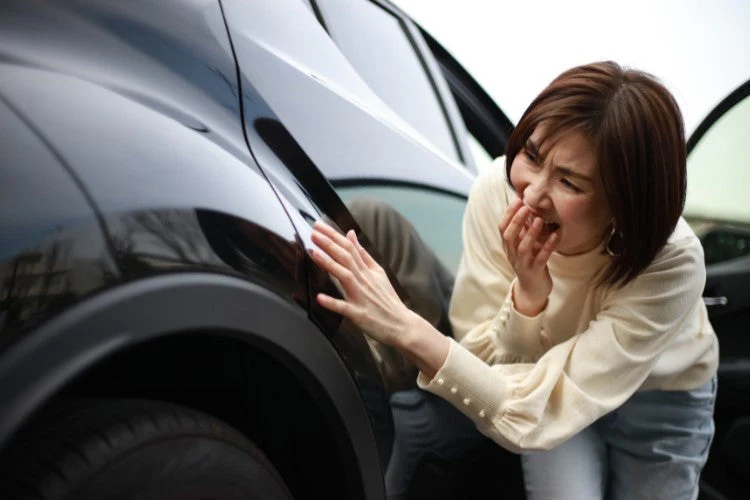
For most people, purchasing a vehicle is the second largest financial investment they will make in their lifetime, surpassed only by buying a home. Yet, from the exact moment a new automobile rolls off the dealership lot, it is subjected to a continuous barrage of environmental and mechanical stresses. Everyday driving exposes a vehicle to harsh ultraviolet radiation, corrosive road debris, extreme temperature fluctuations, and constant friction.
Allowing these elements to take their course unchecked accelerates a vehicle’s depreciation, harms its aesthetic appeal, and eventually compromises its mechanical reliability. Protecting a vehicle from everyday wear and tear is not about keeping it locked away in a climate-controlled museum; rather, it requires adopting consistent, proactive maintenance habits and protective measures. This comprehensive guide outlines the definitive strategies needed to shield your vehicle’s exterior, interior, and mechanical underpinnings from the degradation of daily use, ensuring your investment retains its value and performance for years to come.
Preserving the Exterior Paint and Structural Integrity
A vehicle’s paint job is its primary line of defense against the elements, acting as a structural shield for the underlying sheet metal. Once the clear coat and paint layers are compromised, moisture can penetrate the steel, initiating the destructive process of rust.
Consistent Washing and Rapid Contaminant Removal
Many vehicle owners view a car wash as a purely cosmetic task, but it is actually a vital preventative maintenance procedure. Driving accumulates a layer of microscopic grit, road salt, bird droppings, tree sap, and insect remains on the vehicle’s surface.
Bird droppings and tree sap are highly acidic. When left on a vehicle under the hot sun, they bake into the clear coat, permanently etching the paint surface within days. Washing your vehicle every two weeks using a dedicated, pH-balanced automotive shampoo removes these contaminants safely. Avoid using household dish soaps, as their harsh degreasing agents strip away protective wax coatings, leaving the paint vulnerable.
Utilizing Modern Sacrificial Barriers
To provide long-term protection for your exterior finish, you must apply a sacrificial layer over the clear coat. This barrier absorbs environmental damage so your actual paint does not have to.
-
High-quality automotive wax: Traditional carnauba waxes or modern synthetic polymer sealants fill in microscopic imperfections in the paint, creating a smooth, hydrophobic surface that repels water and prevents dirt from bonding. These should be reapplied every three to six months.
-
Ceramic coatings: For superior longevity, liquid ceramic coatings utilize nanotechnology to bind chemically with the vehicle’s factory paint. This creates a semi-permanent, glass-like layer that offers intense UV protection, chemical resistance, and ease of cleaning for several years.
-
Paint protection film: Often applied to high-impact zones like the front bumper, hood, and side mirrors, this transparent, urethane film provides physical defense against flying gravel and stone chips.
Safeguarding the Cabin and Interior Materials
The interior cabin of a vehicle experiences a heavy amount of physical contact and environmental stress. Passengers track in dirt, spill liquids, and create friction on seating surfaces, while sunlight pouring through the windows cooks interior components.
Mitigating Solar Heat and Ultraviolet Damage
On a hot summer day, the dashboard of a vehicle parked in direct sunlight can easily exceed one hundred and sixty degrees Fahrenheit. This intense thermal stress, combined with constant UV exposure, dries out flexible plastic polymers, causing dashboards to warp or crack, and causes fabrics and leathers to fade and discolor.
Using a high-quality, reflective accordion-style sunshade inside your front windshield when parked outdoors blocks the vast majority of these rays. Additionally, applying a premium automotive window tint that offers high UV rejection protects the side and rear areas of the cabin, significantly lowering interior temperatures and reducing the workload on your air conditioning system.
Conditioning Leather and Shielding Fabrics
Upholstery is subjected to constant friction as passengers slide in and out of the seats. For leather interiors, regular maintenance is required to prevent the material from drying out, cracking, and tearing. Clean leather surfaces every few months with a dedicated leather cleaner, and follow up with a high-quality leather conditioner to restore essential oils and maintain flexibility. For cloth interiors, applying a fabric protectant spray creates a hydrophobic barrier that prevents liquid spills from instantly soaking into the foam padding, giving you time to blot up messes before they stain.
Investing in Heavy-Duty Flooring Protection
Factory carpet floor mats are highly susceptible to wearing out completely under the driver’s heels and absorbing mud, moisture, and road salt. Once moisture seeps through the factory carpet into the metal floorboards below, it creates a hidden breeding ground for mold and structural floor rust. Replacing fabric mats with custom-fit, deep-channeled rubber or thermoplastic floor liners traps dirt, mud, and liquid spills completely, allowing you to simply remove and hose off the liners during cleaning.
Proactive Mechanical Maintenance for Daily Longevity
While exterior and interior preservation protects the vehicle’s aesthetic and resale value, proactive mechanical care guarantees operational reliability and safety. Neglecting the moving parts under the hood causes accelerated wear that leads to expensive catastrophic failures.
Fluid Management and Thermal Protection
Engine oil is the lifeblood of your vehicle’s powerplant, responsible for lubricating moving parts, reducing friction, and transferring heat away from critical internal components. Over time, heat and pressure break down engine oil, causing it to lose its viscosity and accumulate abrasive microscopic carbon particles. Adhering strictly to your manufacturer’s recommended oil change intervals, typically every five thousand to seven thousand five hundred miles for modern synthetic oils, ensures your engine remains free of destructive sludge.
Similarly, monitoring your engine coolant, transmission fluid, and brake fluid ensures your vehicle’s thermal and hydraulic systems operate within non-destructive parameters.
Suspension and Alignment Care
Everyday road hazards, such as potholes, speed bumps, and uneven pavement, send severe kinetic shocks through your vehicle’s suspension system. Driving with wheels that are out of alignment forces your vehicle to fight against its own steering geometry. This alignment error creates uneven, rapid tire wear, wastes fuel, and places excessive lateral stress on wheel bearings, tie rods, and control arm bushings. Having your wheel alignment checked annually or whenever you notice the steering wheel pulling to one side prevents this premature component breakdown.
Frequently Asked Questions
How does driving on under-inflated tires contribute to overall vehicle wear and tear?
Driving on under-inflated tires forces the tire’s sidewalls to flex excessively, generating immense internal heat that accelerates tread wear and increases the risk of a catastrophic blowout. Furthermore, under-inflation increases the rolling resistance of the vehicle, which degrades fuel economy and forces the engine and transmission to work harder to maintain speed. The lack of proper air pressure also reduces the tire’s ability to cushion impacts, transferring harsher kinetic forces directly into your suspension components.
What is the mechanical risk of letting a vehicle sit idling for extended periods to warm up?
Modern fuel-injected engines do not require prolonged idling to warm up, even in cold winter conditions. Excessive idling actually causes fuel to condense on the cylinder walls, washing away the protective layer of motor oil and leading to increased friction between the pistons and cylinders. The most effective way to warm up a modern vehicle is to drive it gently after letting it idle for roughly thirty seconds, which allows the oil pressure to stabilize and warms all mechanical components evenly.
How does road salt affect the underside of a car, and how can it be mitigated?
Road salt is highly hygroscopic, meaning it absorbs moisture from the air and accelerates the chemical reaction of oxidation when it comes into contact with bare steel. This leads to rapid corrosion of the vehicle’s frame, brake lines, exhaust system, and suspension components. To mitigate this damage, wash the undercarriage of your vehicle thoroughly with fresh water after winter storms, or apply a professional, non-hardening oil-based undercoating spray before winter begins to seal out salt and moisture.
Does parking under a tree protect a vehicle or cause more harm over time?
While parking under a tree provides temporary shade from the sun, it generally causes significantly more harm to a vehicle’s exterior than parking in direct sunlight. Trees drop acidic sap, organic debris that can clog cabin air intakes and drainage cowl panels, and berries that stain paintwork. Furthermore, trees attract birds, whose droppings contain highly corrosive uric acid that can eat through a vehicle’s clear coat down to the primer layer if not washed off immediately.
What causes a brake pedal to feel spongy, and how does that indicate component wear?
A spongy or mushy feeling when depressing the brake pedal typically indicates that moisture or air has contaminated the hydraulic brake fluid system. Brake fluid is hygroscopic and naturally absorbs moisture over time, which lowers its boiling point. Under the high heat generated during heavy braking, this moisture turns into a compressible gas, reducing braking efficiency and causing internal corrosion inside the brake calipers and master cylinder. Flushing your brake fluid every two years prevents this degradation.
Why is it important to clean the rubber seals around car doors and windows regularly?
The rubber weatherstripping seals around doors and windows prevent water, wind noise, and debris from entering the cabin. Over time, dirt, grit, and tree sap accumulate on these seals, creating an abrasive surface that grinds against the vehicle’s glass and paint whenever the doors open or windows roll down. Cleaning these seals with a damp microfiber cloth and applying a silicone-based rubber protectant keeps them pliable, preventing them from drying out, cracking, and leaking.
How do frequent short trips under five miles affect a vehicle’s mechanical health?
Frequent short trips prevent the engine oil and exhaust system from reaching their optimal operating temperatures. When an engine does not sustain full operating temperature for at least fifteen minutes, water vapor and raw fuel byproducts accumulate in the crankcase rather than boiling off. This thins out the motor oil, reducing its lubricating properties, and allows corrosive moisture to pool inside the exhaust system, accelerating internal muffler rust.