
Ethereum lottery jackpot systems detailed breakdown
Jackpot mechanics determine how much money accumulates and who gets paid when drawings conclude. Different platforms structure their prize systems in vastly different ways. Some use progressive accumulation, where unclaimed prizes roll into future drawings. Others reset completely after each event. These structural differences help players identify which systems offer better value and more transparency. Prize pool construction varies wildly between platforms. https://crypto.games/lottery/ethereum systems range from simple fixed-percentage distributions to complex multi-tier arrangements with progressive elements. The structure directly impacts both jackpot sizes and winning probabilities. Players often focus exclusively on advertised jackpot amounts while ignoring the underlying mechanics that determine actual payout likelihood and value.
Progressive accumulation models
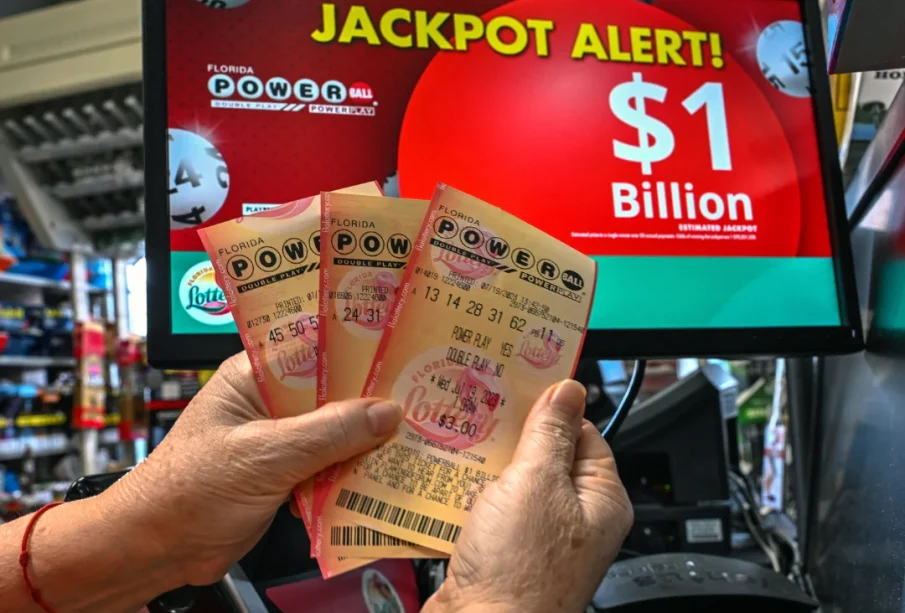
Progressive jackpots grow continuously until someone wins. Each drawing that ends without a grand prize winner rolls that money forward into the next event. This creates the massive jackpots that generate media attention and player excitement. State lotteries use this model to build $500 million prizes that dominate news cycles.
Ethereum platforms implementing progressive systems start with seed amounts funded by the platform or previous drawing remainders. Every ticket sold adds to the pool. If nobody wins, that entire accumulated amount carries forward. The next drawing starts with whatever the previous one reached, then adds new ticket revenue on top. This compounds rapidly during extended no-winner streaks. The mathematics favor platforms heavily in progressive formats. Most drawings end without grand prize winners, so platforms collect ticket revenue repeatedly while paying out nothing for top prizes. Lower-tier prizes might get distributed, but the bulk of money stays in platform control until eventual jackpot hits.
Fixed percentage distributions
Non-progressive systems divide each drawing’s revenue using predetermined percentages. A typical structure might allocate:
- 50% to the grand prize winner
- 20% split among second through fifth places
- 15% divided between sixth through twentieth positions
- 15% retained by the platform as an operating fee
Every drawing stands alone. Prize amounts depend entirely on that specific event’s ticket sales. Popular drawings with heavy participation generate larger prizes. Slower events produce smaller payouts. Nothing rolls forward or accumulates across multiple cycles. This model creates more predictable outcomes for players. You can calculate exact prize amounts by checking current ticket sales and applying the percentage formula. Progressive systems hide the true probability because you don’t know how many future drawings will occur before someone finally wins.
Platform fee structures
The percentage of platforms that generate revenue varies significantly. Some take 10% of ticket sales. Others grab 30% or more. This fee gets extracted regardless of whether anyone wins prizes. Ticket revenue gets split between prize pools and platform profit automatically through smart contract execution. Lower platform fees mean better player value mathematically. A lottery keeps 10% returns 90% to players through prizes. One keeping 30% only returns 70%. That 20% difference compounds brutally over multiple entries. Players chasing jackpots rarely check these percentages, focusing only on advertised prize amounts instead. Transparent platforms publish their fee structures clearly. Sketchy operations bury this information or don’t disclose it at all. Smart players verify these numbers before purchasing tickets rather than assuming all lotteries operate similarly.