
From Cargo To Cozy: Transforming Shipping Containers Into Unique Spaces
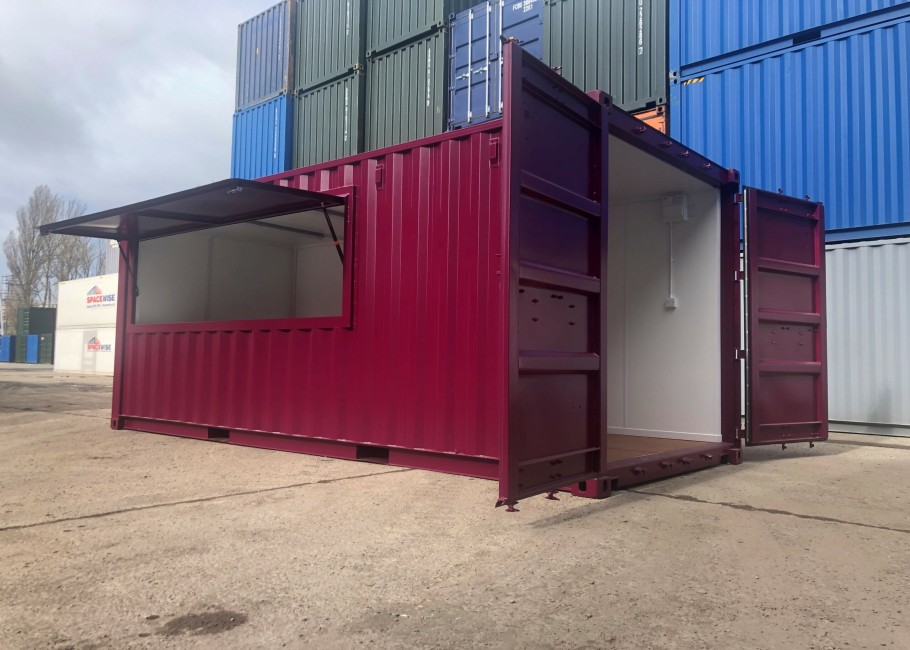
Reimagining Spaces: The Allure of Shipping Container Homes
From Cargo to Casa: The Evolution of Container Living
Shipping containers, once solely the backbone of freight transport, have dramatically transformed into innovative living solutions over the past decade. This shift reflects changing attitudes toward housing, sustainability, and urban living.
In urban areas where real estate prices have skyrocketed, container homes offer an affordable and customizable alternative. With architectural designs embracing minimalism and utility, living within a steel box has gained momentum. The appeal lies not only in cost savings but also in the creative freedom offered by a blank canvas. Container homes challenge conventional ideas of homeownership, embracing flexibility, simplicity, and modern living.
Design Innovation: How Architects Are Transforming Containers
Architects are reimagining shipping containers as modern masterpieces. By using cutting, welding, and insulation techniques, containers can be transformed into homes with all the comforts of conventional housing.
Large windows enhance natural light, sustainable materials improve insulation, and modular arrangements maximize space. The result is a blend of industrial chic and homey warmth, showing how industrial materials can become stylish, sustainable living spaces.
Building Community: Shipping Container Neighborhoods on the Rise
The trend of shipping container homes is expanding into entire neighborhoods. Developers are creating communities that not only offer affordable housing but also promote social interaction.
These neighborhoods cater to diverse demographics, including young professionals, artists, and families. Common areas and green spaces foster inclusivity, while sustainable design elements support modern urban planning. Container neighborhoods cultivate a sense of belonging, combining affordable living with community engagement.
The Practical Perks: Why Choose Shipping Containers for Business
Cost-Efficiency Unlocked: Saving Big on Construction
Businesses are drawn to shipping containers for their cost-efficiency. Traditional commercial spaces require extensive permits, time, and labor, whereas containers provide an instant, customizable solution.
From food stalls to pop-up shops, containers allow unique business concepts without the high expenses of conventional construction. Their robust steel frames and modular layouts make adaptation simple, saving time and money.
Eco-Friendly Entrepreneurial Spaces: Sustainability Meets Profit
Shipping containers contribute to sustainability by recycling industrial materials, supporting a circular economy. Eco-conscious consumers increasingly value businesses that minimize their environmental impact.
Containers can also integrate renewable energy sources like solar panels, making them both eco-friendly and economically viable. By choosing repurposed shipping containers for sale, entrepreneurs can attract sustainability-minded customers while reducing costs.
Customizable Concepts: Tailoring Containers for Your Business Needs
Customization is a major advantage of shipping containers. Businesses can design spaces that align with their brand identity, from sleek container cafés to vibrant retail pop-ups.
The modular nature of containers allows for easy expansion or reduction, adapting to changing demand. This flexibility is ideal for entrepreneurs seeking innovative, scalable spaces.
Navigating the Market: Finding the Perfect Container
The Best Places to Buy: Retailers and Online Marketplaces
The market for shipping containers has grown, offering new and used options. Retailers and online platforms such as ContainerAuction, eBay, and FreightTrader connect buyers and sellers, with detailed listings including size, condition, and price.
Local suppliers may provide personalized support and logistics assistance. Conducting due diligence ensures that buyers obtain high-quality containers suitable for their intended projects.
What to Look For: Key Features and Quality Indicators
When purchasing containers, prioritize wind- and watertight conditions, steel integrity, and functioning doors and seals.
Common sizes like 20’ and 40’ containers provide insight into space requirements. Consider ventilation, insulation, or electrical modifications for residential or commercial uses. Thorough inspections and certifications help prevent future complications.
New vs. Used: Weighing the Pros and Cons
New containers offer maximum durability but are more expensive. Used containers are more affordable but may require refurbishment, including painting, insulation, or structural checks.
By assessing budget, purpose, and lifespan, buyers can make informed decisions that match their needs.
Beyond the Basics: Creative Uses of Shipping Containers
Pop-Up Shops and Food Stalls: Mobile Business Solutions
Shipping containers serve as versatile structures for pop-up shops and food stalls. Their mobility allows businesses to test new concepts, reach high-traffic areas, and engage with communities effectively.
These spaces are cost-efficient, adaptable, and ideal for responding to changing market trends without long-term lease commitments.
Art and Culture: Shipping Containers as Creative Outlets
Artists and performers are converting containers into galleries, studios, and performance venues. These spaces accommodate diverse installations while remaining cost-effective.
Container-based cultural spaces democratize art, fostering inclusivity and community engagement. They offer a flexible platform for local artists to share work outside traditional galleries.
The Future of Container Architecture
Innovations in container architecture include smart technologies, renewable energy integration, and green initiatives. Multi-story constructions and vertical gardens are transforming urban landscapes, supporting sustainable micro-living.
As creativity and practicality merge, shipping containers continue to redefine how we live, work, and engage with our environment.
FAQ
Can shipping containers be safely modified for residential use?
Yes, with proper insulation, electrical systems, and ventilation, containers can meet building codes and provide comfortable living spaces.
What types of businesses are best suited for shipping container setups?
Flexible, creative businesses such as pop-up shops, food vendors, and event spaces benefit most from container setups due to cost-effectiveness and adaptability.
How can shipping containers help in disaster relief efforts?
Containers can provide durable, mobile solutions for temporary housing, medical facilities, and supply storage in disaster-stricken areas.
Are there specific zoning regulations to consider?
Yes, zoning regulations vary by location. Consult local authorities to ensure compliance before installation.
What maintenance is required for shipping container homes or businesses?
Regular maintenance includes checking for rust, preserving seals, repainting, and maintaining electrical and plumbing systems.
How do shipping containers contribute to sustainability?
They recycle existing materials, reduce construction waste, and allow energy-efficient designs, often incorporating solar panels.
Can shipping containers be stacked?
Yes, with proper engineering and structural reinforcements, containers can form multi-story constructions.
What are the advantages of purchasing new versus used containers?
New containers offer durability but are costlier. Used containers are cheaper but may require inspection and repairs.