Enhance Your Outdoor Space With Stylish Patio Covering Ideas: The Complete Manual
Key Takeaways:
- Natural materials like wood, stone, and metal enhance the aesthetic appeal and ambiance of patio spaces.
- Choosing the right color palette can transform a patio’s mood and functionality; consider neutral and bold tones for balance.
- Diverse textures add visual intrigue and define specific areas within the patio for varied uses.
- Select indigenous and climate-appropriate plants to reduce maintenance and enhance the visual interest of your patio.
- Vertical gardens maximize space and improve air quality while adding aesthetic charm to patios.
- Eco-friendly materials and practices promote sustainability in patio design, like using recycled materials and solar-powered lights.
- Modern pergolas offer both style and functionality, enabling creation of customized outdoor rooms.
- Retractable awnings provide flexible shade options, enhancing comfort for varied weather conditions.
- Weigh the pros and cons of DIY installations versus professional help to ensure safety and aesthetic quality in patio enhancements.
- Lighting is crucial for setting the mood; layer different types to enhance the ambiance of evening gatherings.
- Outdoor furniture should balance comfort and durability to create inviting spaces for socializing.
- Creative privacy solutions like screens, hedges, or outdoor curtains can transform a patio into a tranquil retreat.
Exploring the Art of Patio Aesthetics
Unveiling the Aesthetic Appeal of Natural Materials
When considering a patio covering, one cannot overlook the intrinsic beauty of natural materials. Wood, stone, and metal are not merely functional; they serve as conduits of nature’s elegance. For instance, wooden pergolas evoke a sense of warmth and coziness, while stone surfaces impart a feeling of permanence and stability. The choice of materials significantly influences not only the visual appeal but also the ambiance of the space. Sustainable materials like bamboo or reclaimed wood not only promote eco-friendliness but also add a unique narrative to your outdoor area. Moreover, natural materials harmonize beautifully with the surrounding flora, creating a seamless transition between outdoor spaces and gardens. When designing your patio, consider selecting materials that resonate with the existing landscape, making your space feel like a natural extension of your home.
Color Schemes That Transform: How to Choose the Right Palette
The selection of colors for your patio can profoundly impact its mood and functionality. A well-thought-out color palette can transform a mundane patio into a vibrant haven. When choosing colors, factors such as the climate, surrounding architecture, and personal preference amalgamate to form the perfect scheme. Neutral tones like beige and gray exude sophistication and versatility, while bold colors like deep blues or fiery oranges can energize the space. Additionally, incorporating seasonal hues can provide a dynamic atmosphere that changes throughout the year. For those unsure where to start, a monochromatic scheme can provide a serene backdrop, perfect for showcasing colorful plants and furnishings. Remember, the right colors can not only uplift your outdoor area but also complement the overall architectural style of your home, creating a cohesive look that resonates from the interior to the exterior.
Textures that Talk: The Importance of Surface Variety
In any thoughtful patio design, texture often plays a more critical role than people might initially perceive. Diverse surfaces can enhance the tactile experience and visual intrigue of your outdoor space. Mixing materials—such as pairing smooth patio stones with a textured wooden deck—creates an engaging contrast that invites guests to explore and enjoy the area fully. Textured surfaces can outline specific zones within your patio, defining relaxation areas versus dining sections through varied materials. Additionally, the right selections can influence maintenance needs and safety; for example, porous materials can provide additional grip during rainy seasons. Embracing texture doesn’t merely enhance aesthetic appeal; it elevates the patio experience, making it more inviting and functional, ultimately transforming your outdoor space into a visually stimulating retreat.
Functional Flora: Integrating Nature into Your Design
Plant Selection: The Best Greenery for Patio Ambiance
Cultivating the right plant life is paramount when enhancing the ambiance of your patio. Selection should reflect not just aesthetic desires but practicality tailored to your climate zone. Indigenous plants are often the best choice, as they are adapted to the local environment, requiring less maintenance and watering. Consider incorporating a mix of perennials, annuals, and evergreens to maintain visual interest throughout the seasons. Additionally, using pots and planters can allow for greater flexibility in layout and design, enabling you to shift your garden’s aesthetics with the changing seasons. Succulents, herbs, and flowering plants can bring fragrance and color, creating a multisensory experience that enriches gatherings. Understanding the care and light requirements of each plant will empower you to create a flourishing oasis that suits your lifestyle while enhancing aesthetic appeal.
Vertical Gardens: Maximizing Space with Green Walls
In an age where urban living often involves limited space, vertical gardens emerge as revolutionary solutions to integrate nature into our patios. Green walls not only save floor space but also provide abundant visual interest and diverse plant life. From trellises adorned with climbing vines to structured planters that facilitate vertical growth, the options for creating a green wall are varied and customizable. Vertical gardens also offer several environmental benefits; they can absorb carbon dioxide, provide insulation for your home, and contribute to improved air quality. Moreover, they enable better use of sunlight, as plants can be positioned to maximize exposure. By weaving together aesthetic appeal and functionality, creating a vertical garden becomes a rewarding function of artistry and environmental stewardship.
Eco-Friendly Enhancements: Sustainable Practices in Patio Design
Sustainability should be a guiding principle in the modern patio design landscape. Opting for eco-friendly practices not only protects our planet but can also enhance the overall charm and functionality of your space. Start with sustainable materials, such as recycled wood, bamboo, or non-toxic paints that minimize environmental impact. Incorporating permeable surfaces can tackle drainage issues, preventing runoff and promoting groundwater replenishment. Consider integrating solar-powered lighting solutions to reduce electricity consumption while beautifying your nights. Furthermore, water-efficient practices like drip irrigation can ensure your plants thrive without excessive use of water. Embracing these eco-friendly enhancements means creating a patio that not only cares for its inhabitants but also nurtures the environment.
Innovative Structures: From Canopies to Pergolas
The Rise of Modern Pergolas: Style Meets Functionality
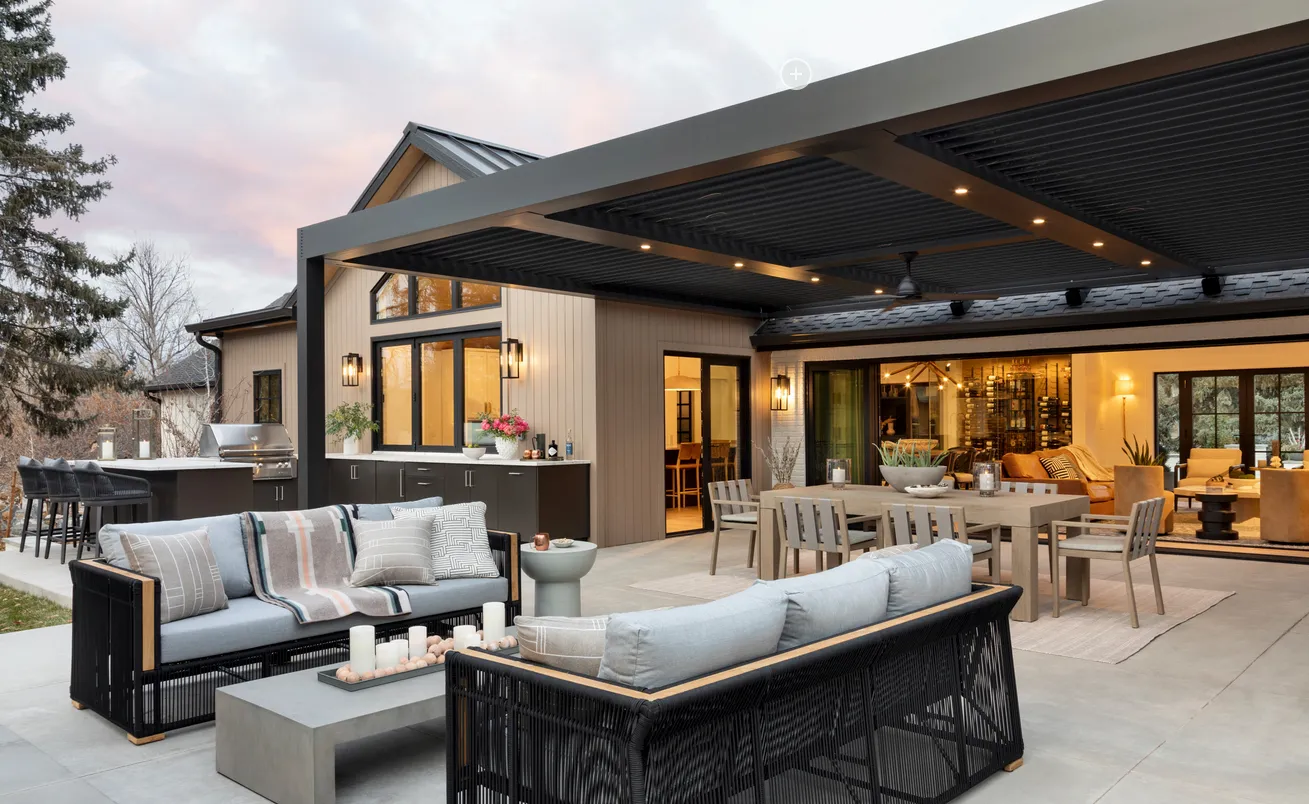
Pergolas have become synonymous with outdoor elegance, offering both structure and beauty to any patio. A contemporary pergola is more than just an aesthetic focal point; it creates designated outdoor rooms that can be utilized year-round. With various designs—ranging from open lattice to sails that provide full shade—homeowners can customize the functionality to suit various desires, be it a dining area, lounge, or garden haven. Additionally, the versatility in materials—from natural wood to sleek metal frames—allows for personalized expressions of style. Enhancements such as climbing plants or wind-resistant curtains can further elevate the function of your modern pergola, creating a breezy retreat that offers relaxation and style. As outdoor living spaces continue to trend, smartly designed pergolas stand out as pillars of innovation and sophistication.
Retractable Awnings: A Flexible Approach to Shade
In the quest for comfortable outdoor living, retractable awnings represent a transformative approach to managing shade and sunlight. Unlike traditional, fixed coverings, these versatile installations enable homeowners to adjust their exposure based on weather conditions and personal preferences. From protection against glaring sun during the day to shelter from unexpected rain showers, retractable awnings allow for seamless usability of patio spaces. Available in various sizes and designs, modern awnings come equipped with features such as UV resistance, fade resistance, and easy motorized control for added convenience. This adaptability not only enhances the comfort of outdoor spaces but also reflects the evolving dynamics of how we interact with our environment. Thus, whether seeking afternoon shade or the embrace of an evening breeze, retractable awnings expand the comfort window of your patio.
DIY vs. Professional Installation: Weighing Your Options
As you embark on enhancing your patio with coverings, a crucial decision lies in choosing between DIY installations or hiring professionals. DIY projects can offer numerous perks, such as cost savings and personalized design control. Many online tutorials and guides make it feasible for even beginners to take on projects, providing a sense of accomplishment upon completion. However, it’s essential to recognize the intricacies involved in many outdoor projects, especially those requiring structural safety, such as pergolas or large awnings. Engaging with professionals can mitigate risks associated with improperly executed designs, bringing seasoned expertise to your project. Balancing cost, time, and personal capabilities should guide your decision, ensuring that your outdoor additions are both safe and aesthetically pleasing. Understanding both options allows you to make an informed choice that aligns with your vision and comfort level.
Accessorizing Your Oasis: Beyond the Basics
Lighting Solutions that Set the Mood: A Study on Ambiance
Lighting plays a pivotal role in the enjoyment of outdoor spaces after dusk, transforming your patio into a scintillating sanctuary with the right fixtures. The choices for patio lighting are abundant, ranging from string lights that evoke nostalgia and warmth to modern, sleek LED fixtures that accentuate contemporary design. The critical aspect is layering various types of lighting—ambient, task, and accent—to create depth and versatility in your outdoor space. Consider using dimmers for flexibility, allowing you to adjust the brightness depending on whether it’s an intimate gathering or a lively celebration. Furthermore, incorporating solar-powered lights is an eco-conscious choice that minimizes energy costs while enhancing the romance of your evenings. Coordinating your lighting design with the overall theme of your patio will ensure a cohesive aesthetic that draws guests into an enchanting experience.
Outdoor Furniture: Choosing the Perfect Pieces for Gatherings
Furniture selection is another pivotal aspect of patio enhancement. Comfort and aesthetics must converge in your choices, culminating in an inviting space for gatherings. Opt for pieces that withstand various weather conditions and require minimal maintenance while still offering comfort and style. Materials like wicker, aluminum, or treated wood are popular for outdoor furniture, each providing unique advantages. When strategizing furniture layout, consider the flow of movement and ensure ample space for social interaction. Loveseats, modular sectionals, or even hammock chairs can add cozy touches inviting leisurely relaxation. Accentuate the space with cushions and throws to add comfort, color, and texture. Thoughtful furniture selection will not only enhance aesthetics but also create a versatile space that promotes togetherness among family and friends.
Creative Privacy Solutions: Transforming Your Space into a Retreat
Transforming your patio into a private retreat can dramatically elevate your outdoor living experience. Creative solutions for privacy can come in various forms, from ornamental screens to lush planters that serve dual purposes. Natural barriers, like hedges or tall plants, can provide seclusion while integrating seamlessly with your landscape. Alternatively, decorative dividers made from reclaimed wood can also serve as stunning design features while offering shelter from prying eyes. Additionally, curtains or outdoor drapes affixed to pergolas can create an inviting ambiance while enhancing privacy during social gatherings. By prioritizing privacy in your design, you can cultivate a peaceful oasis, allowing you to escape the hustle and bustle beyond your home while indulging in moments of tranquility.
FAQ
Question: What are the benefits of using eco-friendly materials in patio design? – Eco-friendly materials promote sustainability by reducing environmental impact, often require less maintenance, and can enhance the visual appeal of your patio.
Question: How can lighting enhance the functionality of a patio? – Proper lighting can extend the usability of your patio into the evening by providing visibility, setting the mood, and enhancing safety during gatherings.
Question: What types of plants are best suited for patio spaces? – Indigenous and climate-appropriate plants are ideal for patios as they require less care, are more resilient to local weather conditions, and add vibrant visual interest.
Question: Why is texture important in patio design? – Texture adds visual intrigue and can define different areas within the patio, enhance tactile experiences, and improve safety by providing grip in wet conditions.
Question: What are some creative ways to ensure privacy on a patio? – Privacy can be achieved through the use of natural barriers like hedges, decorative screens, outdoor curtains, or even vertical gardens to create secluded areas.
Question: How can vertical gardens benefit small patios? – Vertical gardens maximize limited space, improve air quality, and add aesthetic appeal without consuming valuable floor area, making them a great choice for smaller patios.
Question: What role does color play in outdoor space design? – Color influences the mood and functionality of a patio, with choices affecting aesthetics, complementing surroundings, and expressing personal style.
Question: What should be considered when choosing patio furniture? – When selecting patio furniture, consider comfort, durability, weather resistance, maintenance requirements, and how the layout facilitates social interaction and movement.
Useful Resources
- eXtension – Home & Garden
- HGTV – Home and Garden
- Permaculture Institute
- American Planning Association – Urban Planning
- National Gardening Association
- American Institute of Architects
- Green Home Guide
- Massachusetts Extension – Vegetable Gardening