
The Science Behind Yoga Classes: How Movement Enhances Physical and Mental Health
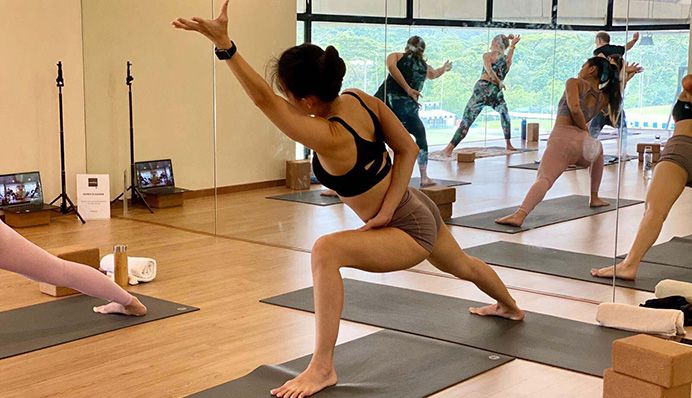
As more people in Singapore become health-conscious, many are turning to yoga classes not just for flexibility or fitness, but for deeper physical and mental wellness. Beyond the beautiful poses and calming music, yoga is backed by a growing body of scientific research that highlights its profound benefits. From lowering stress hormones to improving cardiovascular health and brain function, yoga is increasingly seen as a holistic solution grounded in modern science.
This article delves into how yoga classes benefit your entire system — physically, mentally, and emotionally — based on proven mechanisms, rather than myths or assumptions.
Yoga and the Human Body: A Scientific Connection
When you move through yoga poses with breath awareness, you’re engaging multiple body systems at once. These include:
- Musculoskeletal system – improved strength, posture, and flexibility
- Nervous system – calming of the sympathetic “fight-or-flight” response
- Cardiovascular system – lower blood pressure and improved circulation
- Digestive system – enhanced metabolism and detoxification
- Endocrine system – balanced hormones, especially stress-related cortisol
These aren’t just claims. Studies published in medical journals have demonstrated measurable benefits after consistent yoga practice — some visible in as little as 8–12 weeks.
The Role of Breath in Stress Management
One of the key components of yoga classes is breathwork, also known as “pranayama.” Scientific evidence supports its power to stimulate the vagus nerve, which controls the parasympathetic nervous system — responsible for rest, digestion, and recovery.
When you practise slow, deep breathing in yoga:
- Your heart rate decreases
- Blood pressure stabilises
- The body exits ‘fight or flight’ mode
- Mental focus improves
These physiological responses have been observed in clinical settings and are especially helpful in high-stress environments like Singapore’s fast-paced working culture.
Yoga and Brain Function
Yoga doesn’t just calm the nerves — it sharpens the brain. Neuroimaging studies show that yoga practice can enhance:
- Grey matter volume – associated with better memory and cognition
- Connectivity in the default mode network – improves self-awareness and emotional regulation
- Activity in the prefrontal cortex – linked to decision-making and focus
Participants in yoga classes often report increased mental clarity, better problem-solving, and even emotional resilience over time. This is why yoga is now being included in corporate wellness programmes and therapy settings across Singapore.
Inflammation Reduction and Immunity Boost
Chronic low-grade inflammation is a silent contributor to many illnesses, including diabetes, heart disease, and autoimmune disorders. Yoga reduces this inflammation by lowering levels of pro-inflammatory markers like IL-6 and C-reactive protein (CRP).
Simultaneously, yoga has been shown to:
- Enhance immune cell function
- Improve lymphatic flow
- Support healthy digestion and elimination
- Promote restorative sleep — a vital immunity booster
In other words, yoga classes help your body defend itself more efficiently, especially in urban environments where stress and pollution levels are higher.
Cardiovascular Health and Circulation
Several clinical studies have shown that consistent yoga practice:
- Lowers systolic and diastolic blood pressure
- Improves heart rate variability (HRV)
- Enhances circulation to extremities
- Strengthens the heart muscle through gentle movement
For Singaporeans managing hypertension or borderline high cholesterol, yoga classes can complement medical advice and promote long-term cardiovascular wellness without high-impact strain.
How Yoga Helps with Musculoskeletal Health
Unlike gym workouts that often isolate muscle groups, yoga integrates them. Each pose requires coordination between stabilising and moving muscles, which improves:
- Joint range of motion
- Postural alignment
- Muscle tone and endurance
- Spinal decompression
Those who sit at desks for long hours in Singapore’s business districts often suffer from back, neck, and shoulder tension. Yoga helps release this tension while increasing strength in the supporting muscles.
Instructors at well-established studios like Yoga Edition are trained to guide students through safe alignment and modifications — particularly important for those recovering from injuries or new to exercise.
Hormonal Balance Through Yoga
Hormones affect everything from your mood to your weight. Yoga positively influences the endocrine system — the glands that secrete hormones — especially the adrenal, thyroid, and pituitary glands.
Regular yoga practice has been associated with:
- Balanced cortisol levels (stress hormone)
- Improved insulin sensitivity
- Reduced symptoms of PMS and menopause
- Improved thyroid function
This makes yoga particularly beneficial for people dealing with hormonal imbalances, PCOS, fatigue, or unexplained mood shifts.
Digestive Health and Detox Support
You might not associate yoga with digestion, but the connection is strong. Twisting poses massage internal organs and help stimulate peristalsis — the movement of food through the digestive tract.
Yoga also:
- Reduces bloating
- Supports liver and kidney function
- Improves gut-brain communication
- Helps manage IBS symptoms
Practising yoga before meals or on an empty stomach enhances this effect and improves nutrient absorption over time.
Yoga vs Other Forms of Exercise: What Sets It Apart?
While cardio and strength training are excellent, yoga offers several unique benefits:
| Factor | Traditional Exercise | Yoga |
| Focus on breath | Rare | Core aspect |
| Mind-body integration | Limited | Strong emphasis |
| Joint impact | High (e.g., running) | Low impact |
| Accessibility | Equipment required | Minimal gear needed |
| Emotional benefits | Limited | High (mindfulness) |
Yoga is inclusive, sustainable, and suitable for various stages of life — from childhood to elderly years.
FAQ
Q: Can I do yoga classes if I have a medical condition?
A: Yes, but always consult your doctor first. Inform your instructor before class so they can suggest modifications that are safe and suitable.
Q: How long does it take to notice the health benefits of yoga?
A: Many people notice mental and emotional changes after 2–3 sessions. Physical benefits like improved flexibility and strength may become noticeable within 4–8 weeks of consistent practice.
Q: Is yoga enough as a complete fitness routine?
A: For many, yes. Yoga can build strength, endurance, and flexibility while offering cardiovascular and mental benefits. However, depending on your goals, you may supplement it with walking or strength-based activities.
Q: Do scientific studies really back up yoga’s benefits?
A: Absolutely. Numerous peer-reviewed studies and trials — including those published by Harvard, Stanford, and the NIH — have validated yoga’s impact on everything from stress reduction to heart health.
Q: Can seniors or less flexible people still benefit from yoga?
A: Definitely. Yoga is adaptable. Chair yoga, gentle flows, and restorative classes make it accessible to seniors and those with limited mobility.